
The First Earth Day
While the harmful impacts of pollution and deforestation are well known today, 60 years ago, this wasn't the case. There was a time when industries belched pollution and poisoned waterways with little to no legal implications. Protecting natural resources wasn’t even a part of the political agenda in the United States. It wasn’t until the late 1960s that Americans and the rest of the world slowly began to wake up to this environmental harm. Fueled by a growing environmental awareness and inspired by the anti-Vietnam War "teach-ins" that were taking place on college campuses around the United States, Senator Gaylord Nelson developed the idea for the first Earth Day. On April 22nd, 1970, 20 million Americans took to the streets to demand greater environmental protections. This action directly led to the creation of the Environmental Protection Agency (EPA) and the Clean Air Act, Clean Water Act, and Endangered Species Act.Treat Ever Day Like Earth Day
Since then, Earth Day has become a global day of celebration for our home planet, and in recent years has been used to raise awareness about climate change. With temperatures steadily rising, the impacts of climate change can be felt increasingly worldwide, reminding us there’s no time to waste. We're sharing ten ways to continue this important annual celebration and take action every day to protect our collective home.1. Be conscious of your waste
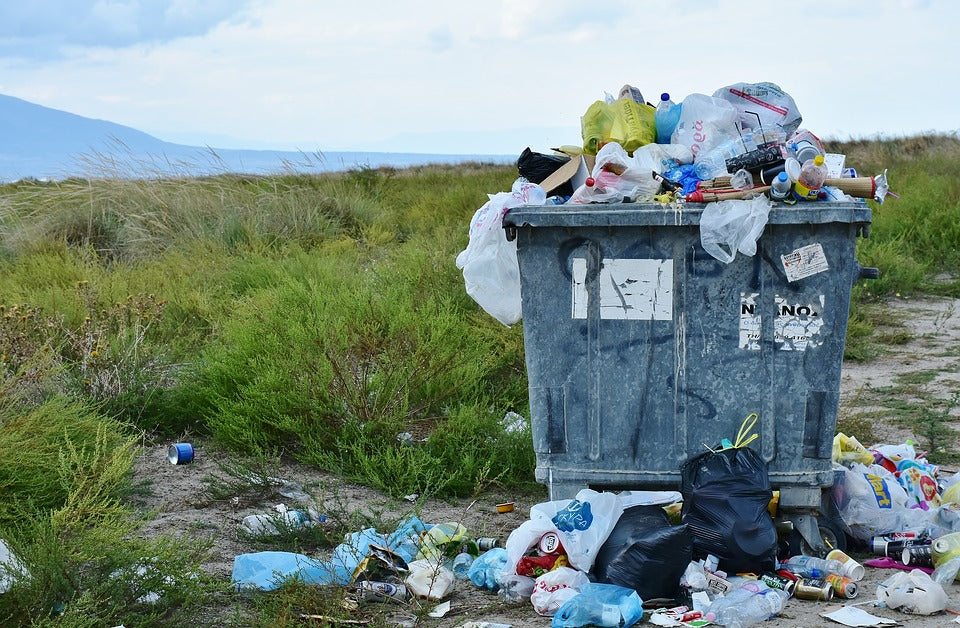 Recycling is an essential tool for environmentally conscious action. Many items, like glass and metal, can be recycled infinitely. But materials like paper and plastic can often only be recycled between two to five times before the quality of the fibre decreases. No longer of use, these materials usually end up in landfills. And here's a fact to chew on: every bit of plastic ever made still exists somewhere.
So in every sense, recycling is important, but it isn't the cure-all to our problems with waste and pollution. We need to be conscious about the items we throw away before we even buy them. Here are some quick tips to keep in mind.
Recycling is an essential tool for environmentally conscious action. Many items, like glass and metal, can be recycled infinitely. But materials like paper and plastic can often only be recycled between two to five times before the quality of the fibre decreases. No longer of use, these materials usually end up in landfills. And here's a fact to chew on: every bit of plastic ever made still exists somewhere.
So in every sense, recycling is important, but it isn't the cure-all to our problems with waste and pollution. We need to be conscious about the items we throw away before we even buy them. Here are some quick tips to keep in mind.
- Ask yourself, “Do I really need to buy this?” or “What will happen to this item once I’m done with it?”
- Work to eliminate single-use plastic wherever possible
- Buy items in bulk when you can, and use reusable containers
- Remember to bring your reusable shopping bags when you visit the grocery store
- Bring a reusable cup to the coffee shop
- Instead of buying beverages in bottles, visit the source and fill up using a growler
2. Hold your leaders accountable
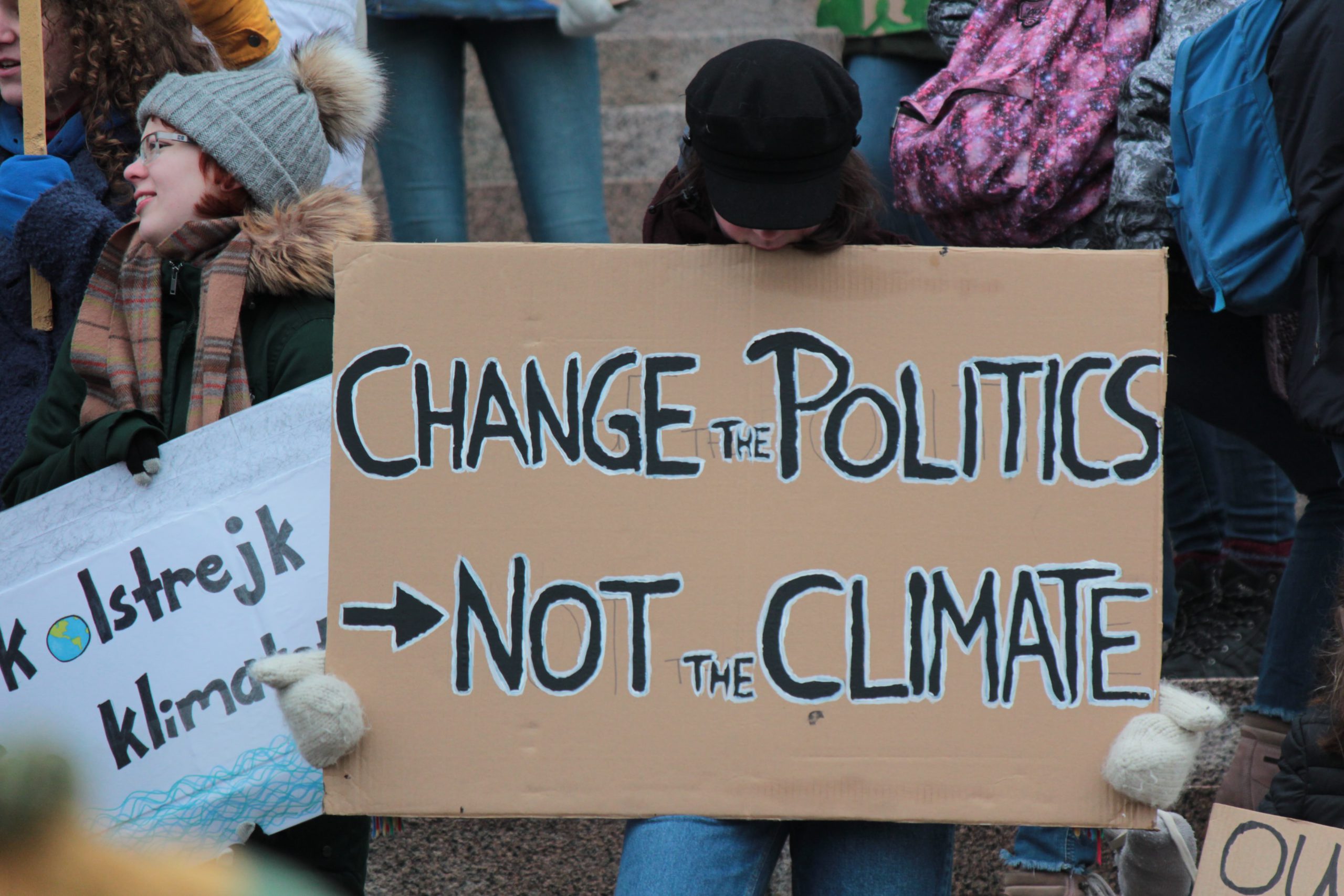 Politics can be messy and sometimes overwhelming, but like it or not, Earth Day is a day rooted in political action — and your voice is important. In 1970, 20 million Americans proved that without a shadow of a doubt, and today we continue to see the impact created when people come together demanding change. When it comes to politics, you might be unsure where to start or who to talk to, but our best piece of advice is to start local. Make it a point to frequently send your elected leaders a note encouraging them to make the environment a priority. If you are fortunate enough to be represented by people who already prioritize the environment, let them know that it’s the right choice and they have your support.
One of the most powerful tools we have in the fight against climate change is community. Beyond reaching out to your local politicians, start talking to friends and neighbours about organizing around the environment. Host town halls for the environment and invite your representatives to hear from their constituents. And of course, don’t forget to cast your vote on election day for the candidate who best serves your interests.
Politics can be messy and sometimes overwhelming, but like it or not, Earth Day is a day rooted in political action — and your voice is important. In 1970, 20 million Americans proved that without a shadow of a doubt, and today we continue to see the impact created when people come together demanding change. When it comes to politics, you might be unsure where to start or who to talk to, but our best piece of advice is to start local. Make it a point to frequently send your elected leaders a note encouraging them to make the environment a priority. If you are fortunate enough to be represented by people who already prioritize the environment, let them know that it’s the right choice and they have your support.
One of the most powerful tools we have in the fight against climate change is community. Beyond reaching out to your local politicians, start talking to friends and neighbours about organizing around the environment. Host town halls for the environment and invite your representatives to hear from their constituents. And of course, don’t forget to cast your vote on election day for the candidate who best serves your interests.
3. Plant trees
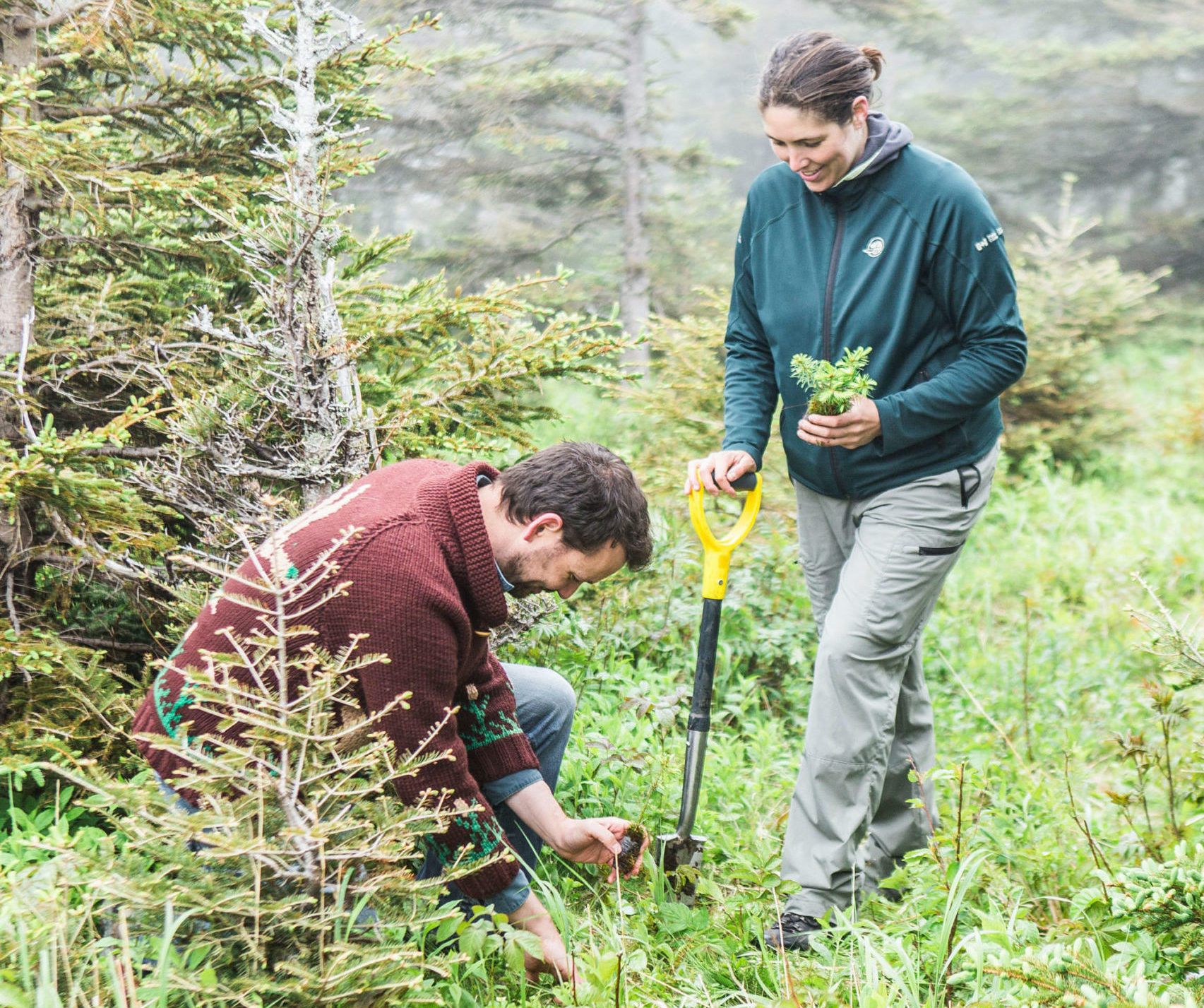 Here at tentree, we love planting trees. By planting ten trees for every purchase, we're making big change accessible to everybody and showing the lasting impact that one small choice can have.
Planting trees has an enormous impact not just on the environment but also on our lives. Trees do something called 'sequestering carbon'; it's their way of cleaning our air, and eliminating harmful elements from the earth. They do this by absorbing CO2 and storing it as carbon. But tree planting has an impact that reaches far beyond carbon sequestration. They provide homes for wildlife, which in turn can provide an additional food source and income for locals in certain areas. Our tree planting initiatives also help create employment opportunities and uplift communities.
If you aren't sure where to begin when it comes to planting an actual tree, there are amazing organizations that you can donate to that will plant on your behalf. We work directly with Eden Reforestation Projects, Trees For The Future, and Plant With Purpose.
Here at tentree, we love planting trees. By planting ten trees for every purchase, we're making big change accessible to everybody and showing the lasting impact that one small choice can have.
Planting trees has an enormous impact not just on the environment but also on our lives. Trees do something called 'sequestering carbon'; it's their way of cleaning our air, and eliminating harmful elements from the earth. They do this by absorbing CO2 and storing it as carbon. But tree planting has an impact that reaches far beyond carbon sequestration. They provide homes for wildlife, which in turn can provide an additional food source and income for locals in certain areas. Our tree planting initiatives also help create employment opportunities and uplift communities.
If you aren't sure where to begin when it comes to planting an actual tree, there are amazing organizations that you can donate to that will plant on your behalf. We work directly with Eden Reforestation Projects, Trees For The Future, and Plant With Purpose.
4. Reduce your meat consumption
 There's now an overwhelming amount of research that shows the negative environmental impact of animal agriculture. It's the second largest contributor to human-made greenhouse gas (GHG) emissions after fossil fuels and a leading cause of deforestation, water and air pollution and biodiversity loss.
While your dietary choices are entirely your own, ignoring these facts is hard. We encourage meat-eaters to consider trying to reduce their intake, even if it's just minimally. Having a meatless Monday, for example, will reduce your weekly meat consumption by about 15%. If everyone did that, it would have the same impact as removing 240 million cars from the road for the year.
Vegetarian or vegan? You're already making a difference. And the good news is you can take it a step further by working to reduce your intake of processed food and prioritizing buying local. Eating locally and in season is the most sustainable way to grocery shop. Since your food has a shorter distance to travel, the associated emissions are dramatically reduced. You’re also supporting your local farmers. So instead of a meatless Monday, try challenging yourself to commit to a local meal Monday.
There's now an overwhelming amount of research that shows the negative environmental impact of animal agriculture. It's the second largest contributor to human-made greenhouse gas (GHG) emissions after fossil fuels and a leading cause of deforestation, water and air pollution and biodiversity loss.
While your dietary choices are entirely your own, ignoring these facts is hard. We encourage meat-eaters to consider trying to reduce their intake, even if it's just minimally. Having a meatless Monday, for example, will reduce your weekly meat consumption by about 15%. If everyone did that, it would have the same impact as removing 240 million cars from the road for the year.
Vegetarian or vegan? You're already making a difference. And the good news is you can take it a step further by working to reduce your intake of processed food and prioritizing buying local. Eating locally and in season is the most sustainable way to grocery shop. Since your food has a shorter distance to travel, the associated emissions are dramatically reduced. You’re also supporting your local farmers. So instead of a meatless Monday, try challenging yourself to commit to a local meal Monday.
5. Skip the car whenever possible
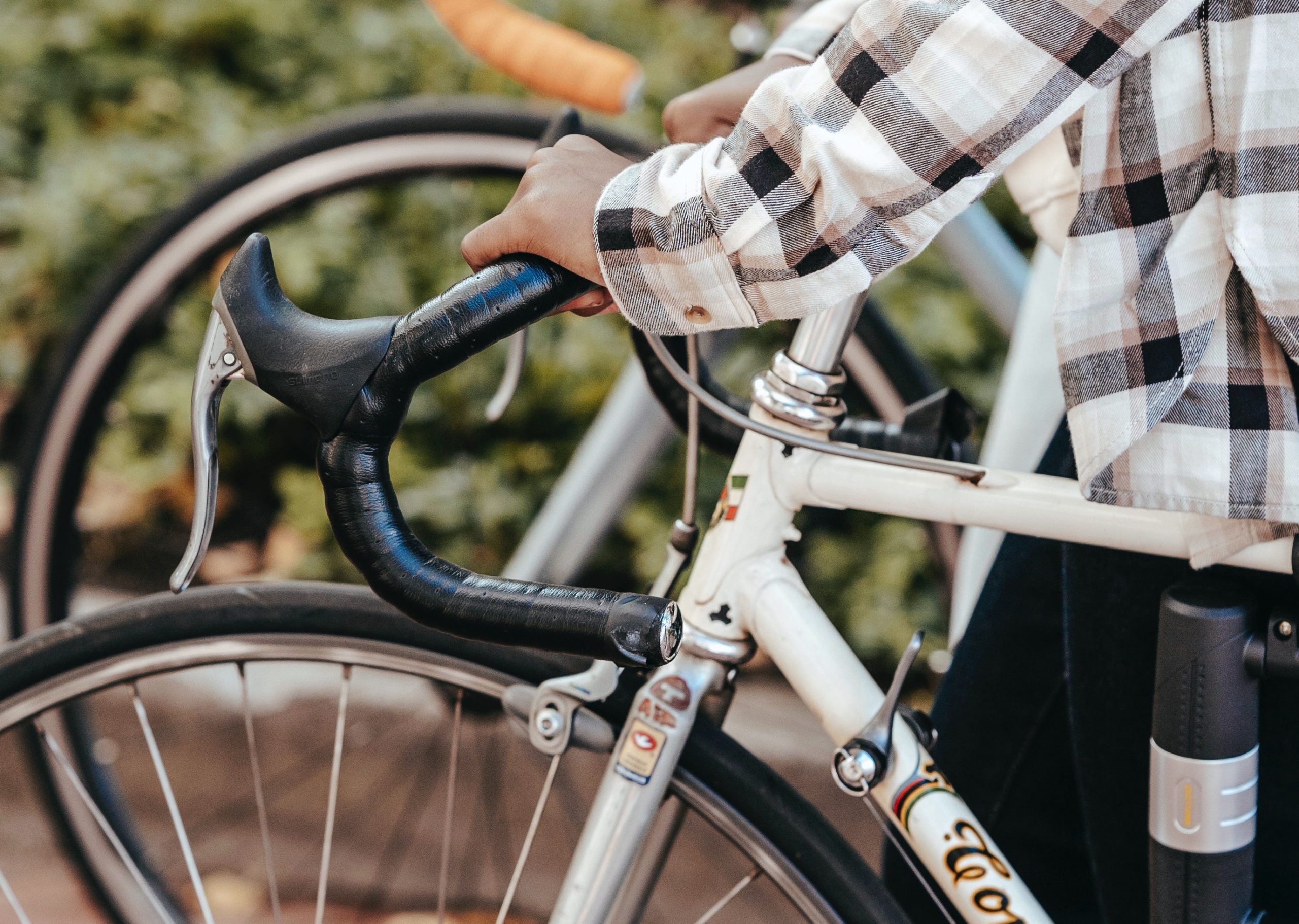 Driving less is an effective way to use less energy and reduce your carbon footprint. It can be challenging, especially during colder months, but even cycling now and again instead of driving can make an impact. If your company has a carpooling program, consider joining. If it doesn't, try organizing one.
More than half of our employees walk, bike, or take mass transportation to work. We also consider each employee's daily commute and business travel when offsetting our carbon emissions as a company.
Think about all the places you have to go in a day or a week. How many of them are within a kilometre? Is your neighbourhood walkable or bike-friendly? How's the bus system? By answering these questions, see if you can avoid driving even just once a week.
Driving less is an effective way to use less energy and reduce your carbon footprint. It can be challenging, especially during colder months, but even cycling now and again instead of driving can make an impact. If your company has a carpooling program, consider joining. If it doesn't, try organizing one.
More than half of our employees walk, bike, or take mass transportation to work. We also consider each employee's daily commute and business travel when offsetting our carbon emissions as a company.
Think about all the places you have to go in a day or a week. How many of them are within a kilometre? Is your neighbourhood walkable or bike-friendly? How's the bus system? By answering these questions, see if you can avoid driving even just once a week.
6. Make your home energy-efficient
 There is an urgent need to reduce our carbon emissions as we fight against climate change, but in the US, most electricity generated is produced using fossil fuels. The good news is we are in the midst of a renewable energy revolution. There are many small, affordable swaps that are accessible and will help ensure your home is more energy-efficient.
- LED light bulbs continue to drop in price and use 75 percent less energy than incandescent lighting.
- Installing a programmable thermostat can cut your heating and cooling bills by 10 to 30 percent.
- Switching to a low-flow showerhead can save 2,900 gallons of water every year.
7. Buy second hand (whenever you can)
 Alongside recycling and reducing our waste, there’s the third R — reusing. Reusing items by purchasing them second-hand is one of the easiest and most effective ways to keep them in circulation (and out of landfills). Everything from appliances to housewares can be found second-hand, in good condition and at a steep discount. Ask anyone who’s ever worked for a thrift store: just about everything you could need comes through their doors.
Historically, buying second-hand has been framed in a negative light, but it makes a lot of sense from an economic and environmental standpoint. Just because something isn’t brand new doesn’t mean its value is diminished. When you buy used, you eliminate some of the demand for new goods, which carries a higher environmental cost. New products require more energy and resources to create, and have larger carbon footprint. Of course, with any item you use, if you’re ready to say goodbye to it, always give it a second life by donating to a second-hand shop.
Alongside recycling and reducing our waste, there’s the third R — reusing. Reusing items by purchasing them second-hand is one of the easiest and most effective ways to keep them in circulation (and out of landfills). Everything from appliances to housewares can be found second-hand, in good condition and at a steep discount. Ask anyone who’s ever worked for a thrift store: just about everything you could need comes through their doors.
Historically, buying second-hand has been framed in a negative light, but it makes a lot of sense from an economic and environmental standpoint. Just because something isn’t brand new doesn’t mean its value is diminished. When you buy used, you eliminate some of the demand for new goods, which carries a higher environmental cost. New products require more energy and resources to create, and have larger carbon footprint. Of course, with any item you use, if you’re ready to say goodbye to it, always give it a second life by donating to a second-hand shop.
8. Buy local
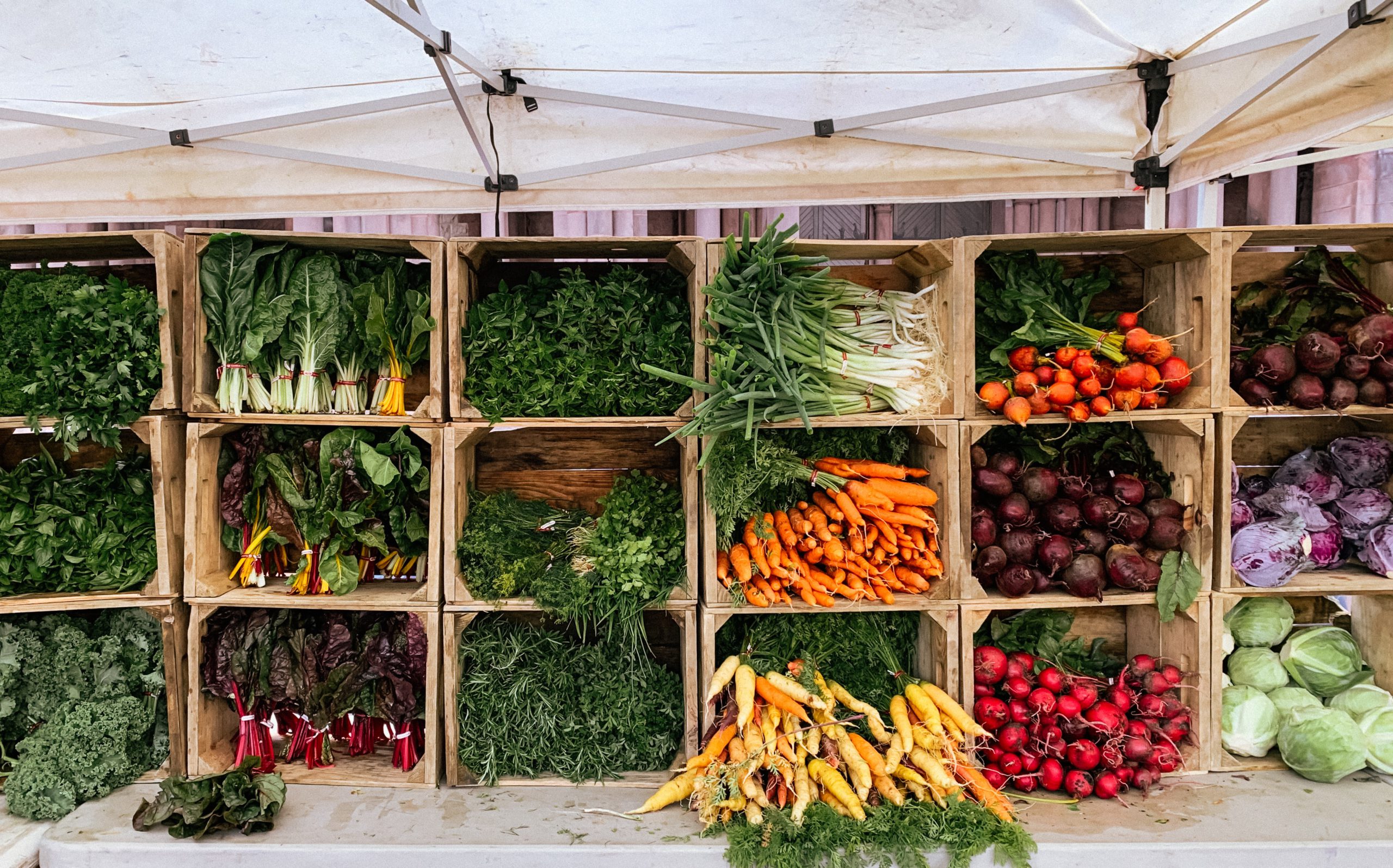 The benefits that come with choosing to buy local goods are many, both for the environment and the economy. Supporting local businesses keeps your money in the local economy. From an economic perspective, buying local keeps small businesses open and promotes a sense of community. One study found that for every $100 spent at a chain bookstore, only $13 remained in the local economy. Whereas $100 spent at a locally owned bookstore resulted in $45 staying in the local economy.
Buying local, especially when it comes to food, has a positive environmental impact as well. Food bought in large chain grocery stores often travels an incredible distance before hitting the shelf. Locally grown food, however, doesn’t have this enormous carbon footprint. Another benefit of buying local is keeping smaller farming operations up and running. When farms go out of business, the land is often purchased and developed.
The benefits that come with choosing to buy local goods are many, both for the environment and the economy. Supporting local businesses keeps your money in the local economy. From an economic perspective, buying local keeps small businesses open and promotes a sense of community. One study found that for every $100 spent at a chain bookstore, only $13 remained in the local economy. Whereas $100 spent at a locally owned bookstore resulted in $45 staying in the local economy.
Buying local, especially when it comes to food, has a positive environmental impact as well. Food bought in large chain grocery stores often travels an incredible distance before hitting the shelf. Locally grown food, however, doesn’t have this enormous carbon footprint. Another benefit of buying local is keeping smaller farming operations up and running. When farms go out of business, the land is often purchased and developed.
9. Plant native flowers
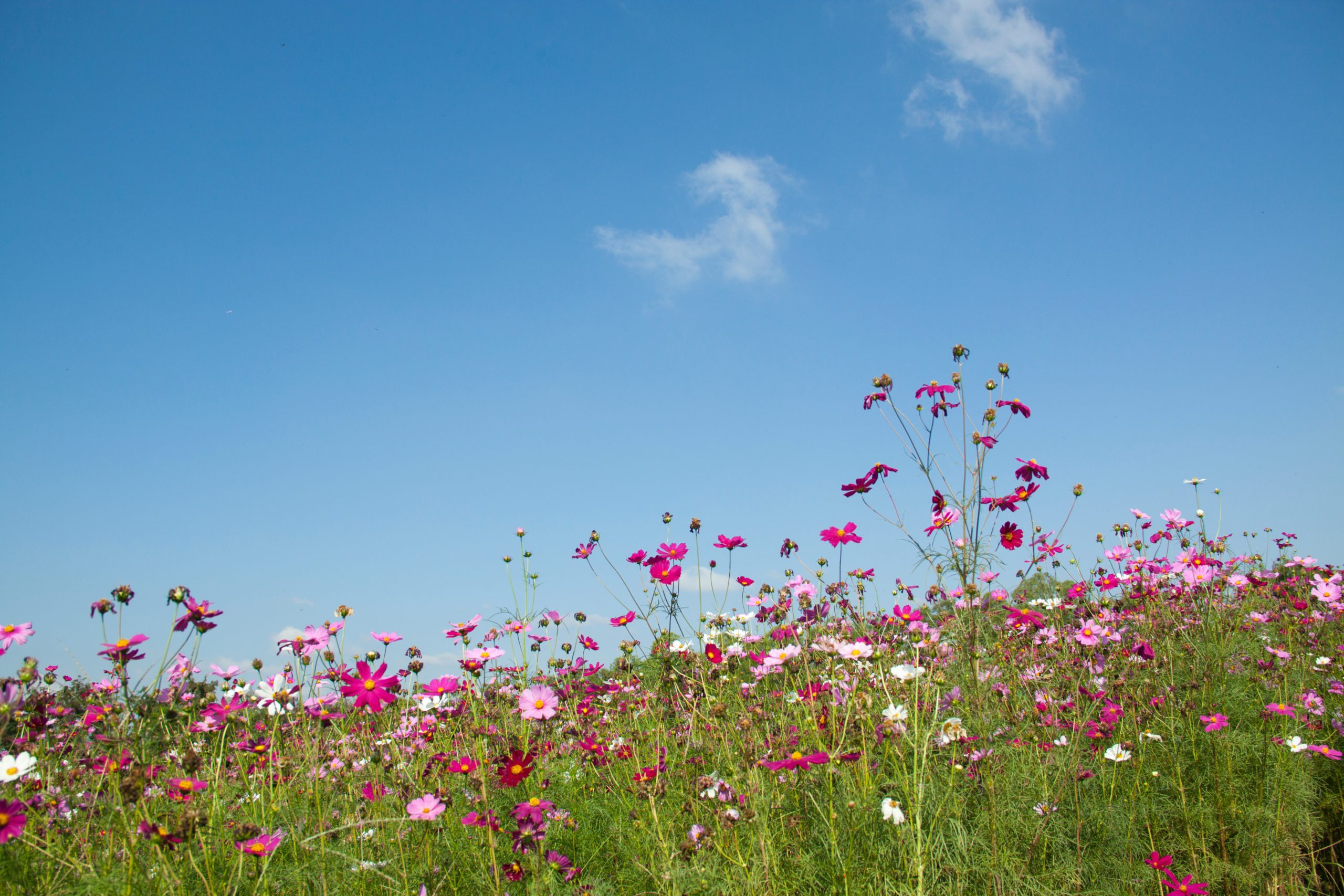 It’s no secret that around the world, pollinators are in decline, and their disappearance will have a severe impact on plants and crops. You may not realize it, but one in three bites of food we take is thanks to pollinators like bees.
There are many reasons why pollinators are disappearing, from a rapidly changing climate to pesticide use. But one of the main reasons is a lack of food diversity. Fields that were once blooming with a wide variety of local flowers have been removed and replaced with single-crop farms, homes and other infrastructure.
One way to help your local pollinators is by planting a wide variety of native flowers. Bees will travel as far as 3 kilometres to find food sources, so your flowers will likely be feeding many hives.
It’s no secret that around the world, pollinators are in decline, and their disappearance will have a severe impact on plants and crops. You may not realize it, but one in three bites of food we take is thanks to pollinators like bees.
There are many reasons why pollinators are disappearing, from a rapidly changing climate to pesticide use. But one of the main reasons is a lack of food diversity. Fields that were once blooming with a wide variety of local flowers have been removed and replaced with single-crop farms, homes and other infrastructure.
One way to help your local pollinators is by planting a wide variety of native flowers. Bees will travel as far as 3 kilometres to find food sources, so your flowers will likely be feeding many hives.
10. Get outside
 Finally, one of the best ways to protect the Earth is simply being present in nature. Getting out and enjoying the beauty of nature instills in us an appreciation and a drive to protect it. Research shows that people with a greater connection to nature are more likely to behave positively towards the environment, wildlife and habitats. Renew your connection with nature by getting outside and enjoying all it has to offer. Bring a bag with you to fill with litter others may have left behind for extra points.
Keep Reading
Climate Instagram Accounts You Should Follow Today
By planting ten trees for every item you purchase, it’s our mission to plant 1 billion trees by 2030. Head to our website to learn more and begin your planting journey with 10% off.